
You smashed your last workout — heavy squats, sprints, or maybe a new PB.
The next morning? You can barely move. That dull ache in your legs, the stiffness in your back — that’s DOMS, or Delayed Onset Muscle Soreness.
It’s a familiar badge of honour for anyone who trains hard. But here’s the truth: soreness isn’t the sign of a good workout — it’s your body asking for recovery.
Let’s break down what’s actually happening beneath the surface, and how to bounce back faster.
1. What Exactly Is DOMS?
DOMS happens when your muscles experience small amounts of damage from new or intense training.
When you lift, sprint, or stretch your limits, your muscle fibres develop microscopic tears. The repair process that follows causes inflammation, stiffness, and soreness — typically peaking 24 to 72 hours after your session.
That process is normal. It’s your body adapting, rebuilding stronger fibres, and improving endurance.
The key is not to stop training — it’s to support recovery so your body can adapt efficiently.
2. Why Recovery Matters More Than You Think
Ignoring recovery doesn’t make you tougher; it just slows your progress.
When muscles stay inflamed, your performance drops, reaction time slows, and fatigue lingers.
Proper recovery, on the other hand, improves circulation, accelerates tissue repair, and restores mobility — so you can get back to training sooner and with better results.
Think of recovery as the bridge between your effort and your progress. Without it, you’re stuck in the middle.
3. Smart Strategies to Reduce Soreness
Here’s what actually works when it comes to reducing DOMS and getting back faster:
• Active Recovery
Low-intensity movement — like walking, stretching, or cycling — helps boost blood flow and flush out lactic acid. It keeps muscles mobile and speeds up nutrient delivery to sore areas.
• Targeted Massage Therapy
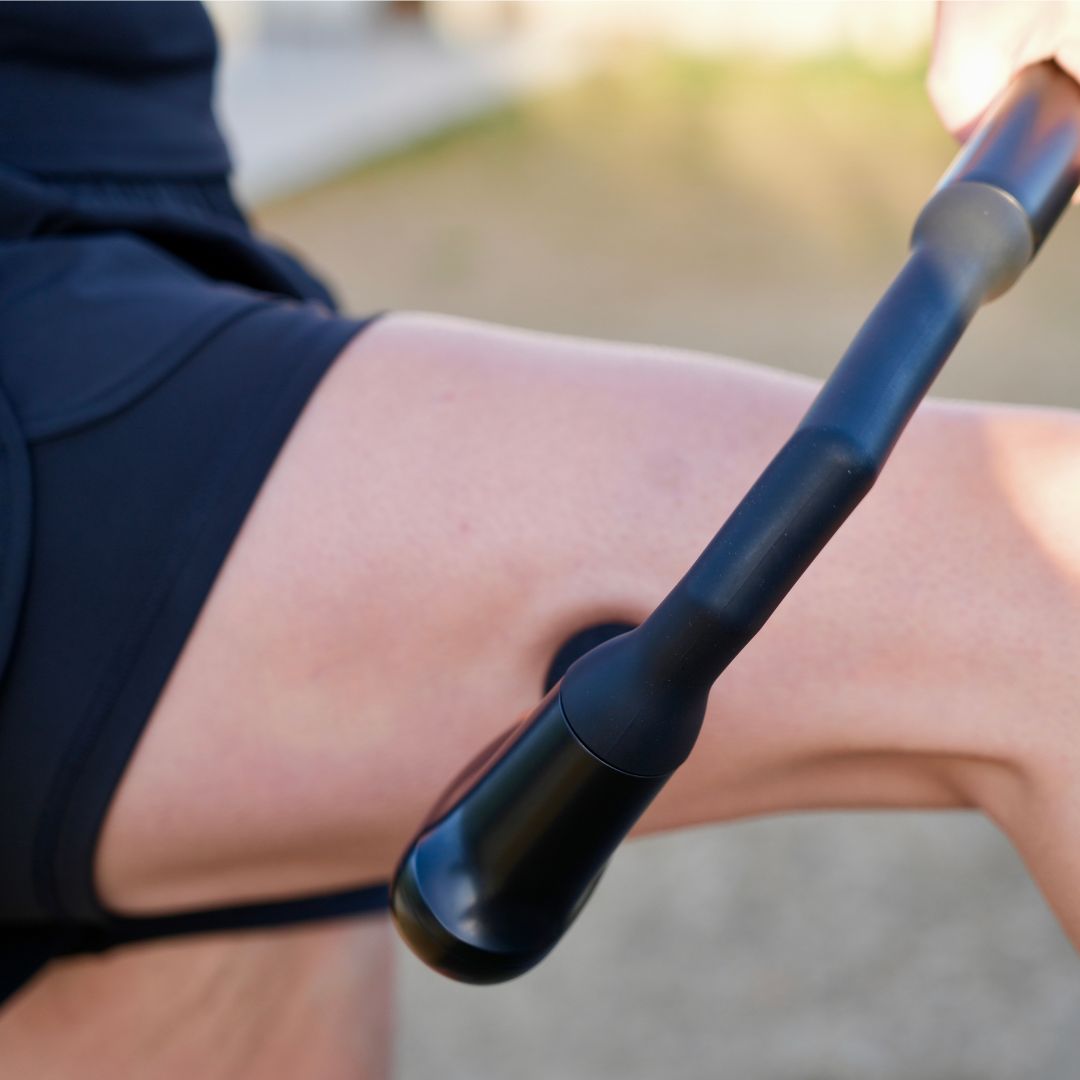
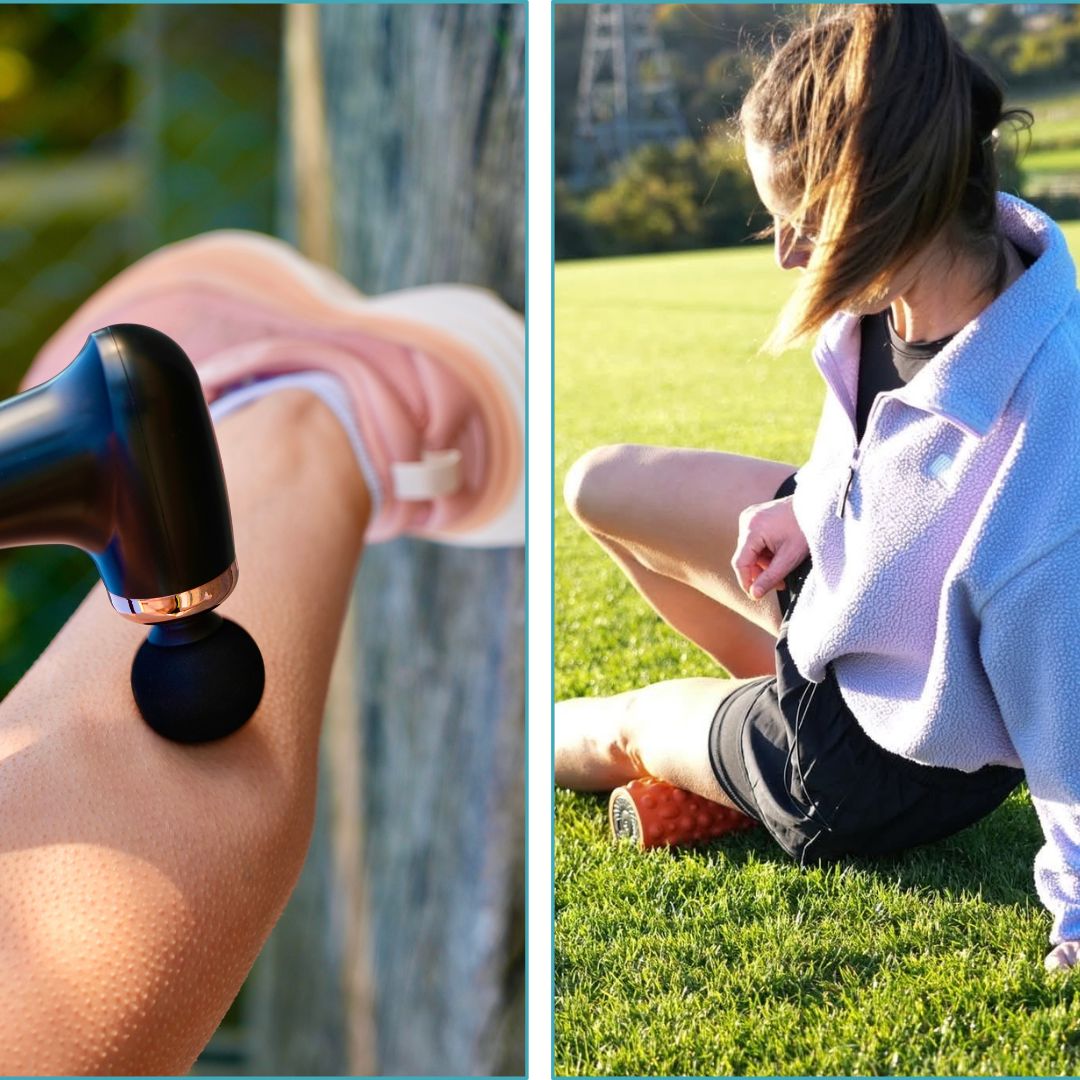
Percussive tools like the Endurah Electric Fascia Massage Gun can relieve deep muscle tension and reduce stiffness in minutes. Focus on sore areas for 30–60 seconds at a time.
• Compression and Circulation
Using compression boots or tight recovery gear improves venous return — pushing blood back toward the heart and helping your muscles get fresh oxygen faster.
• Heat and Cold Therapy
Alternate between ice and heat to manage inflammation and stimulate repair. A Hot & Cold Therapy Wrap is ideal for targeted relief on joints and sore areas.
• Hydration and Nutrition
Muscles can’t recover without fuel. Stay hydrated, prioritise protein, and get plenty of magnesium and potassium to support muscle repair and nerve function.
• Sleep
The most underrated recovery tool of all. Deep sleep is when growth hormone peaks — repairing tissue, balancing hormones, and resetting your nervous system.
4. Common Mistakes Slowing Recovery
Even the most disciplined athletes fall into these traps:
- Skipping warm-ups and cooldowns — leading to increased stiffness.
- Pushing through pain — turning mild soreness into injury.
- Overusing painkillers — masking inflammation instead of addressing it.
- Neglecting hydration — making recovery harder for your muscles and joints.
Recovery isn’t about doing less. It’s about doing what matters most, consistently.
5. Tools That Make a Difference
Your recovery shouldn’t rely on guesswork. Reliable tools make the process faster, safer, and easier:
- Endurah Massage Gun — deep muscle relief for post-session recovery.
- Smart Dynamic Cupping Device — promotes circulation and reduces tension.
- Electric Peanut Massage Ball — perfect for hard-to-reach areas like the back and calves.
- Acupressure Lotus Spike Mat — relaxes tight muscles and improves blood flow after training.
Each one is designed to help your body recover with precision — because every rep, run, and rest counts.
6. The Takeaway: Recovery Is Progress
Soreness is a sign that you’ve challenged your body — not a reason to stop.
What separates consistent athletes from burnt-out ones isn’t effort; it’s recovery discipline.
DOMS is part of growth, but with the right recovery routine, you don’t have to choose between pushing hard and feeling good.
Train smart, recover fully, and get back faster — because true strength is built in how you bounce back.
Endurah — Built through passion. Backed by recovery.
Recover smart. Train harder. Endure longer.
Leave a comment
This site is protected by hCaptcha and the hCaptcha Privacy Policy and Terms of Service apply.